Understanding the importance of regular dental visits and recognizing the signs that indicate it's time to see a dentist can prevent severe oral health issues. This article provides insights into when you should consider visiting a local dentist for optimal dental care. Oral health is often underestimated, but its impact on overall well-being is substantial. Ignoring dental problems can lead to significant health complications over time. By identifying the right time for dental visits, you can ensure both preventive care and treatment for dental issues.
Regular Check-Ups for Preventive Care
Importance of Biannual Dental Visits
Biannual dental visits are crucial for maintaining healthy teeth and gums. Dentists recommend these visits to catch potential problems early. Regular check-ups allow dentists to monitor oral health over time and identify any changes. Changes in oral health could signify underlying issues that need attention. According to Colgate, people with high risk factors, such as diabetes or smokers, should visit the dentist more frequently than 2 times a year.
Skipping these visits might lead to undetected dental problems. Dentists use these appointments to conduct thorough exams, ensuring any decay or disease is identified early. Without these routine checks, small issues can progress into severe problems. Dental visits also allow for professional cleanings, which maintain oral hygiene. Regular professional cleanings remove plaque and tartar buildup, reducing the risk of cavities and gum disease.
Consistent dental visits serve a preventive purpose, saving you from future dental distress. More frequent visits may be necessary for those with specific dental conditions. Periodic reviews also allow for the updating of dental records. Updated records ensure that any treatment is based on accurate, recent data. Informed decisions about treatments and care plans become possible with these records.
Understanding Dental Cleanings
Dental cleanings are not just an aesthetic ritual but a critical component of oral health. Professional cleanings help maintain gum health and prevent issues. Regular cleanings remove plaque that regular brushing and flossing might miss. Plaque buildup can lead to cavities and gum disease if left unchecked. During a dental cleaning, hygienists also polish teeth, making them appear cleaner and brighter.
A thorough cleaning involves multiple steps to ensure comprehensive oral hygiene. Cleaning sessions typically start with physical examinations to assess oral health. Hygienists use specialized tools to remove tartar from above and below the gum line. Following the removal of tartar, teeth are brushed and flossed professionally. This layer-by-layer approach ensures that any sign of potential oral health issues is noted and addressed.
Professional cleaning goes beyond what you can achieve with a toothbrush. Hygienists use techniques that effectively eliminate tartar, which cannot be removed by brushing alone. Professional cleaning helps avoid gum irritation and more severe gum diseases like gingivitis and periodontitis. Regular cleanings can also prevent oral disease progression, saving you from pain and expensive treatments. These sessions contribute significantly to overall dental health maintenance, emphasizing their necessity.
Risk Assessment for Oral Diseases
Risk assessment involves evaluating potential threats to oral health based on individual factors. Various factors increase the risk of oral diseases, including age, diet, and medical history. Dentists assess these personalized risk factors during regular check-ups. Recognizing these factors early allows for timely interventions. Individuals with high-risk factors, such as smokers or people with diabetes, benefit from more frequent visits and targeted advice.
During dental visits, your dentist can detect correlations between your overall health conditions and oral health. Conditions like diabetes have known effects on oral health, making risk assessment crucial. Regular monitoring lets the dentist tailor preventive and treatment measures specifically for you. An individualized approach ensures that your dental care aligns with your unique health needs. Risk assessment thus forms the backbone for a tailored oral health care regime.
Adopting a preventive mindset towards oral health can be life-changing. Risk assessments inform the frequency of dental visits, especially for high-risk individuals. Frequent assessments help curb the onset of dental and gum issues before they become severe. Such proactive measures ensure that issues are caught in their infancy, allowing for less invasive treatments. Dental visits are no longer merely periodic checks but a strategic approach toward maintaining lifelong oral health.
Updating Dental Records and X-Rays
Dental records form a comprehensive history of a patient's oral health. These records are essential for tracking the progress of treatment over time. Every visit allows for an update of your dental health profile, capturing any changes. Updated records incorporate information from exams, treatments, and diagnostics. X-rays, a crucial part of these records, reveal structural issues not visible to the naked eye.
Updating your dental records and x-rays ensures that each treatment plan is personalized effectively. Dentists review these records to foresee potential risks and craft customized care plans. X-rays can detect cavities, bone loss, and other hidden issues that regular exams might miss. Having an updated baseline helps in comparing changes over time. This information forms the basis for future oral care decisions, ensuring proactive treatment strategies.
Failing to update dental records can lead to treatment based on outdated or incomplete information. This oversight might lead to ineffective treatments and missed opportunities for early intervention. Regular updates can reveal emerging problems, such as the need for orthodontics or the development of periodontal disease. The understanding gained from x-rays and records fosters informed conversations about treatment. There is no substitute for a well-maintained dental history, which aids in comprehensive oral care.
Educational Guidance for Oral Health Maintenance
Dentists play an essential role in educating patients about oral health maintenance. Each visit is an opportunity for gaining tips and advice on daily oral care. From brushing techniques to dietary advice, personalized guidance can improve oral health. Discussions might include the effectiveness of different oral hygiene products. Small adjustments recommended by your dentist can have a major impact on your oral health practices.
Education empowers individuals to make informed decisions regarding their oral health. Dentists are invaluable resources for understanding how various health factors interrelate with oral health. For instance, those with diabetes can learn how their condition affects their teeth and gums. Education also goes beyond immediate dental concerns, covering topics like nutrition and lifestyle. With informed choices, patients actively participate in their oral health maintenance and improvement.
Consistent guidance helps patients keep preventive care as an ongoing priority. Regular updates and education build a foundation of knowledge, empowering patients to maintain healthy smiles. Educational sessions personalize advice based on individual needs, allowing for sustainable habits. Engagement during visits reinforces learning and satisfaction with treatments and recommendations. Consistent educational interactions make the road to optimal oral health a collaborative journey.
Addressing Acute Dental Pain
Identifying Different Types of Tooth Pain
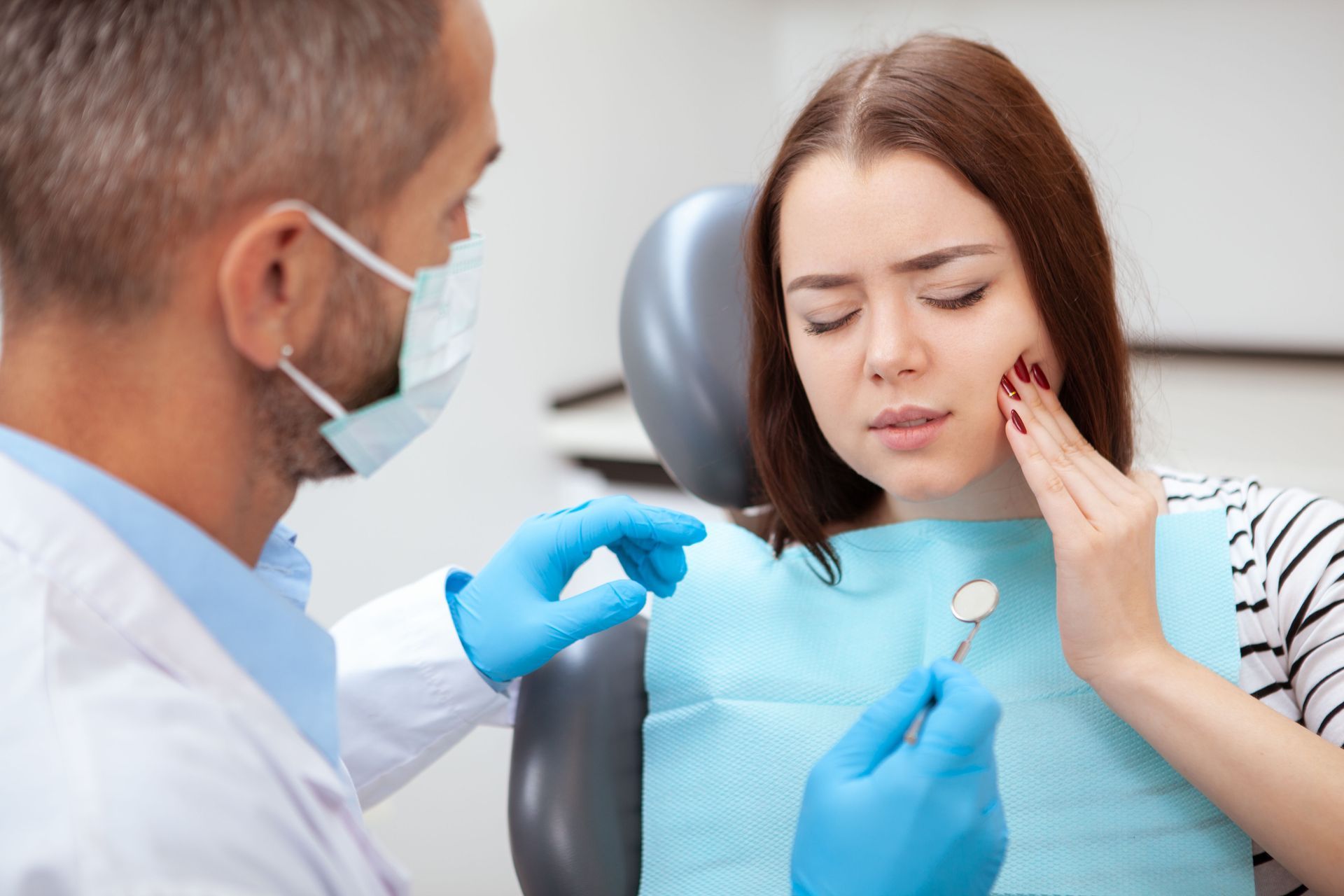
Understanding the nature of tooth pain is essential for treatment. Tooth pain can vary from sharp, stabbing sensations to a dull, constant ache. Different pains often indicate varying underlying issues. For example, a sharp pain may suggest a cavity, while a dull ache might point to an infection. Identifying pain type guides both patients and dentists in diagnosing and treating the cause effectively.
Tooth pain should never be ignored, as it could signify more serious problems. Ignoring discomfort could lead to complications in dental health, including root damage or gum disease. When visiting the dentist, it’s helpful to describe the pain accurately for effective diagnosis. Precise descriptions aid the dentist in pinning down the root cause, leading to appropriate treatment. Prompt attention to dental pain prevents the escalation of problems and spares further discomfort. Be sure to reach out to Seaview Dental Arts Dr. Patel, D.D.S today for more information on our professional local dentist!