October 12, 2026
Routine dental cleanings may seem easy to postpone, especially when your teeth feel fine, and there are no obvious signs of discomfort. However, many oral health problems can develop gradually without causing noticeable symptoms in their earliest stages. Plaque and tartar can build up in areas that are difficult to clean at home, while gum irritation, decay, and other concerns may progress quietly over time. Regular dental services give patients an opportunity to remove stubborn buildup, monitor changes in the mouth, and address developing problems before they become more difficult to manage. Skipping these appointments repeatedly can allow minor concerns to grow into issues that require more extensive care. Understanding the risks of avoiding professional cleanings can help patients see why preventive visits are an important part of maintaining long-term oral health.
Allowing Plaque and Tartar to Accumulate
Brushing and flossing are essential parts of daily oral care, but they cannot always remove every deposit that forms on the teeth. Plaque can collect along the gumline, between teeth, and in other areas that are difficult to reach consistently. If plaque is not removed, it can harden into tartar, which is much more difficult to eliminate with a toothbrush or floss. Over time, this buildup can contribute to irritation around the gums and create an environment where bacteria continue to accumulate.
Professional dental services include tools and techniques designed to remove hardened deposits that home care may leave behind. During a cleaning, a dental professional can focus on areas that often receive less attention during daily routines. Removing this buildup can help keep tooth surfaces cleaner and reduce the amount of bacteria around the gums. When cleanings are skipped for long periods, tartar may continue to collect, making future appointments more involved and increasing the likelihood that other oral health problems will develop.
Increasing the Risk of Gum Disease
Gum disease can begin with mild inflammation that may not seem serious at first. Gums may appear red, feel tender, or bleed when brushing or flossing, but some people experience few noticeable symptoms. If plaque and tartar remain near the gumline, irritation can continue and eventually affect the tissues that support the teeth. What begins as a relatively minor concern can become more difficult to manage when regular monitoring and cleaning are neglected.
According to Forbes, seeing a dentist at least once a year can help identify and address gum disease. Routine dental services allow dental professionals to examine the gums for early changes and remove deposits that may contribute to inflammation. Early detection can make it easier to address problems before they become more advanced. Skipping cleanings can reduce opportunities to notice these changes, which may allow gum disease to progress without the patient realizing that additional treatment is becoming necessary.
Increasing the Risk of Tooth Decay
Cavities do not always cause immediate pain. In their early stages, areas of decay may be small enough that patients do not notice any difference in how a tooth feels. Plaque bacteria can produce acids that gradually weaken tooth enamel, particularly in areas where food particles and buildup remain for extended periods. Without routine evaluations and cleanings, these early changes may continue until the cavity becomes larger and more difficult to treat.
Regular dental services provide an opportunity to examine the teeth for signs of decay while also reducing buildup that can contribute to cavity formation. When a small cavity is identified early, the treatment required may be less extensive than what would be needed after the damage progresses. Delaying appointments can allow decay to move deeper into the tooth, potentially affecting sensitive internal structures. Preventive care cannot eliminate every cavity, but it can help reduce risk and improve the chances of detecting problems sooner.
Allowing Bad Breath to Become Persistent
Occasional bad breath can be caused by foods, dehydration, or other temporary factors, but persistent odor may be related to bacteria and buildup in the mouth. Plaque, tartar, food debris, and gum irritation can all contribute to unpleasant breath when they remain present over time. Brushing, flossing, and mouthwash may temporarily improve the problem, but they may not fully address hardened deposits or underlying gum concerns.
Professional cleanings can help remove substances that contribute to odor and give dental professionals an opportunity to identify other possible causes. Dental services may also include guidance on home care techniques that can make daily cleaning more effective. If bad breath continues despite good oral hygiene, a dental evaluation can help determine whether gum disease, decay, dry mouth, or another issue may be involved. Skipping cleanings can allow these contributing factors to remain untreated and make persistent odor harder to resolve.
Missing Early Signs of Other Oral Problems
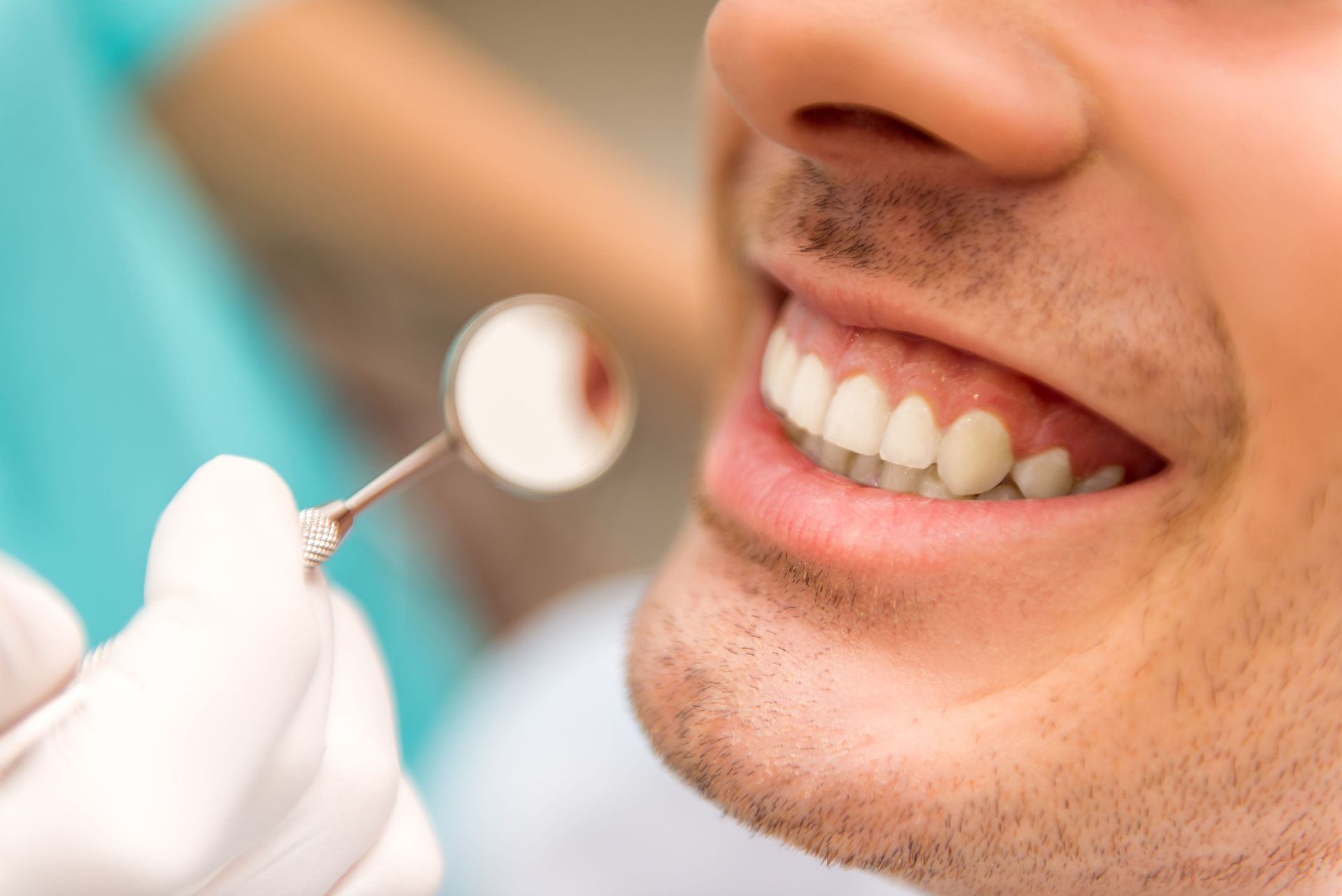
Dental appointments involve more than simply polishing the teeth. During routine visits, dental professionals may examine the mouth for changes involving teeth, gums, soft tissues, bite alignment, restorations, and other structures. Small cracks, worn fillings, irritated tissue, or early signs of infection may be easier to manage when they are found before symptoms become severe. Without regular appointments, these conditions may go unnoticed until they begin causing discomfort or interfere with normal eating and speaking.
Using dental services consistently creates a record of how the mouth changes over time. Comparing current findings with previous visits can help dental professionals recognize patterns that might not be obvious during a single appointment. This ongoing monitoring can be especially valuable for patients with previous dental work, a history of gum problems, or other risk factors. Skipping cleanings removes opportunities for these comparisons and may allow developing concerns to progress without professional observation.
Increasing the Need for More Extensive Treatment
Preventive care is generally intended to catch problems while they are still relatively manageable. When routine appointments are missed, small issues may continue until they require more complex procedures. A minor cavity can become deeper, mild gum inflammation can progress, and a loose restoration may eventually break or allow additional damage. The longer these concerns remain untreated, the more involved the eventual treatment may become.
Keeping up with dental services can help patients address problems earlier and maintain a more predictable approach to oral care. Regular appointments also allow professionals to provide recommendations based on current conditions rather than waiting until an urgent problem appears. While some dental issues can develop even with excellent preventive habits, consistent cleanings and evaluations may reduce the likelihood that patients first discover a problem through pain, swelling, or another dental emergency.
Making Future Cleanings More Difficult
When professional cleanings are skipped for extended periods, additional plaque and tartar may accumulate on tooth surfaces and around the gumline. The next appointment may therefore require more time and attention than a routine cleaning would have required. Patients may also experience greater sensitivity or gum irritation if substantial buildup has developed. This can make the return to regular dental care feel more challenging than maintaining a consistent schedule from the beginning.
Regular dental services can help keep buildup at more manageable levels and make preventive visits easier to maintain over time. Staying on a recommended schedule gives dental professionals repeated opportunities to remove deposits before they become extensive. It can also help patients become more comfortable with routine care because appointments remain familiar and predictable. Avoiding cleanings may seem convenient in the short term, but postponing them repeatedly can make future care more complicated and potentially more uncomfortable.
Skipping routine dental cleanings can create risks that are not always immediately visible. Plaque and tartar can accumulate, gum disease can progress, cavities can develop, persistent bad breath may continue, and other oral problems can go undetected. Delaying care can also increase the chance that relatively minor concerns will require more extensive treatment later. Regular dental services support both professional cleaning and ongoing monitoring, giving patients a better opportunity to address changes before they become more serious. Preventive appointments are an important part of maintaining healthy teeth and gums over time, even when everything seems to feel normal. To stay on top of your oral health with professional preventive care, contact Seaview Dental Arts Dr. Patel, D.D.S.